
Greenville Mold Remediation
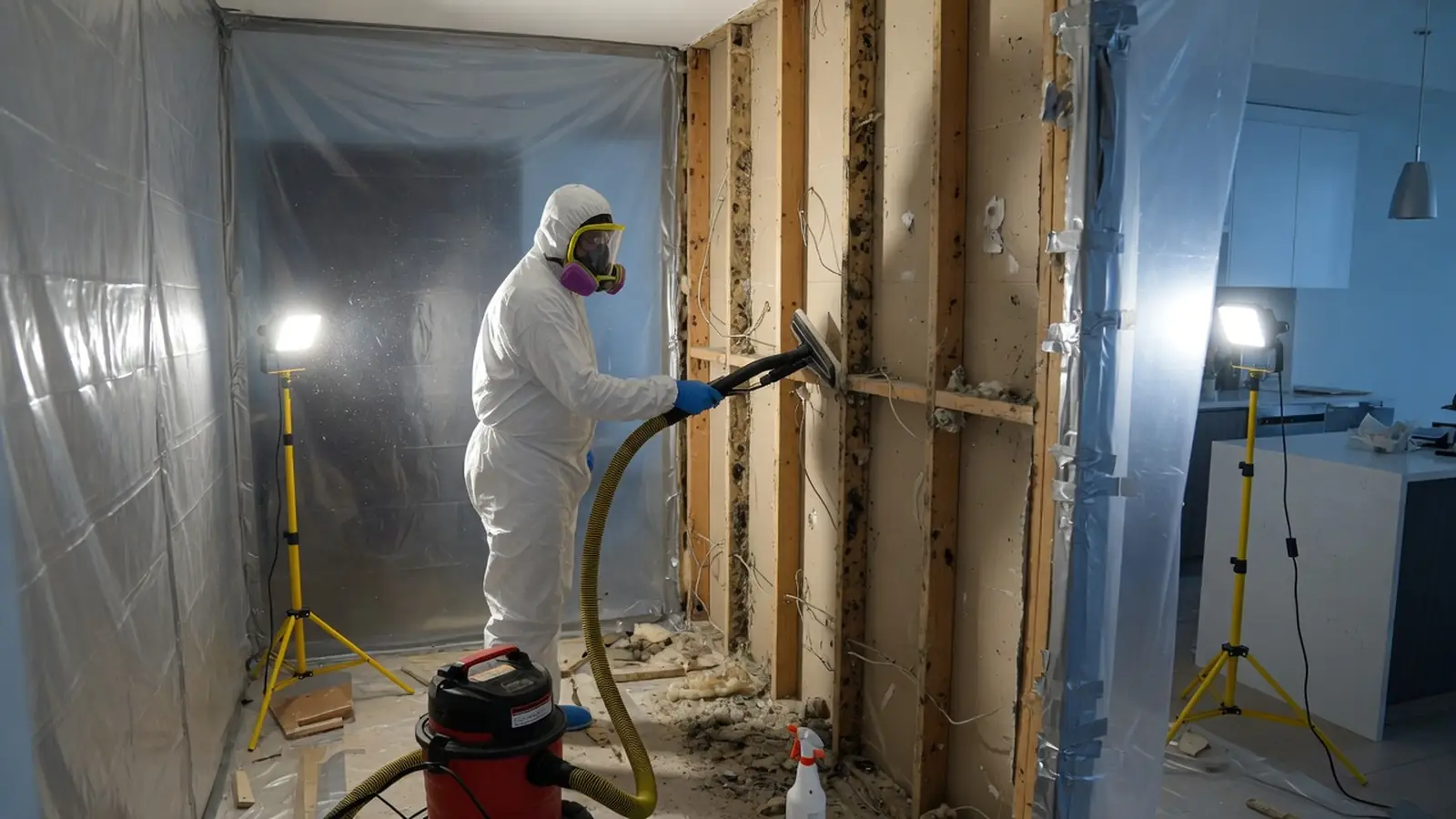
Eastern North Carolina's summer heat and dew points can trigger microbial growth across sheetrock within 24 to 48 hours if an AC system loses power following a storm. Our technicians isolate compromised areas with containment barriers and extract deep moisture before spores spread through your home.
Call (252) 555-0127 if water is standing right now.
Prefer to talk? (252) 555-0127
Local Structural Drying Experts
Our technicians bring years of hands-on structural drying experience to crawl spaces and living areas across the Tar River basin.
As homeowners often describe in public forums, opening wall cavities after plumbing leaks reveals extensive hidden mold colonization that requires containment barriers, negative air, and structural remediation.
When unaddressed moisture threatens building materials, you can call our emergency water mitigation professionals right away to stabilize the structure.
Every project follows rigorous safety controls to keep airborne particulates completely isolated from occupied bedrooms and living spaces.
We conduct thorough moisture meter readings at every visit to ensure structural framing reaches safe baseline levels before any reconstruction begins.
Step-by-Step Moisture And Mold Control
A pattern echoed in public discussions is how storm-induced circuit breaker trips shut down sump pumps unnoticed, leading to standing basement water that requires commercial extraction and dehumidification.
- Damage Assessment And Moisture Mapping. Property owners frequently report that sudden summer downpours rapidly escalate from roof leaks into structural flooding, requiring immediate moisture control before building framing is compromised.
- Containment And Air Scrubbing. Remediators erect critical barriers and run HEPA-filtered air scrubbers under negative pressure so unsettled spores do not cross-contaminate unaffected living spaces during demolition.
- Selective Removal And Antimicrobial Treatment. Technicians carefully bag ruined porous items and apply botanical antimicrobials, coordinating with our specialized team when specialized residential flood cleanup is required.
- Deep Dehumidification And Clearance Testing. Industrial desiccant dehumidifiers extract embedded moisture from subflooring until digital probes confirm framing has returned to normal dry standards.
Our Workmanship Commitment
Trade video reviews show that severe storm water damage compounds quickly throughout a property, requiring urgent restoration to prevent prolonged displacement and structural loss. Our certified crew follows strict industry containment protocols and thorough digital moisture verification on every job, including resolving standing crawl space water before secondary damage takes hold.
Crawl Space Subfloor Remediation
Undetected plumbing supply line breaks inside crawl spaces produce severe mold growth across structural floor joists and subflooring. Our crew isolates the crawl area, cleans contaminated timbers, and dries framing to safe levels.
Real Estate Inspection Clearance
Real estate transactions fall apart when severe hidden mold and trapped moisture are discovered behind crawl space insulation and vapor barriers. We correct hidden moisture pockets and remove contaminated insulation so closings stay on schedule.
Pre-Sale Structural Moisture Control
Elevated wood moisture content and fungal growth in crawl space framing cause homes to fail mandatory pre-sale structural inspections. We restore joists with physical cleaning and structural drying to pass rigorous clearance standards.
Our Commitment To Quality Restoration
Our approach centers on honest moisture readings, disciplined negative-air containment, and meticulous physical removal of mold colonies. Property owners can expect transparent communication and thorough structural drying on every project.
- 10Zip Codes Served
- 5Service Areas
- 3Services Offered
Local property owners rely on our thorough containment practices and honest communication when fungal growth threatens their living spaces.
“I already told my next-door neighbor to call this company after seeing how quickly they tackled the mold behind our master bathroom vanity. The crew set up sealed plastic walls, ran negative air machines the entire time, and verified zero spores remained before packing up. It was a huge relief having true specialists handle such a stressful situation.”
Marcus T.
“Another handyman had previously attempted to scrub down our damp crawl space joists with standard bleach, which only caused the fungal odor to return weeks later. The team came in, fully contained the work zone, and physically remediated the subflooring so the moisture problem was solved for good. Their attention to detail completely corrected the previous contractor's mess.”
Elena R.
“From the first inspection walk-through, their written quote was completely transparent about labor hours and containment equipment fees. When the crew finished tearing out the affected laundry room drywall, the final invoice matched the initial estimate down to the dollar without any hidden charges. You rarely find that level of financial honesty in the mitigation trade.”
Derrick B.
“Every evening before heading out, the technicians vacuumed the hallways with HEPA filters and hauled all bagged debris straight to their truck. They kept our entryway spotless and made sure the air scrubbers were venting cleanly so our family could sleep without breathing dust. Walking into a clean house at the end of each workday made a stressful demolition so much easier.”
Sandra K.
Frequently Asked Questions
Does spraying household bleach onto moldy floor joists permanently kill the hyphae root structure inside porous wood?
Spraying household bleach onto moldy floor joists does not kill deep hyphae roots inside porous wood because chlorine remains strictly on the surface. The water component in bleach actually feeds subsurface fungal roots, requiring physical abrasion and specialized antimicrobial agents to achieve complete remediation.
Is air drying sufficient when moisture wicks up interior drywall?
Moisture wicking up interior drywall after a plumbing leak requires removing the damp sheetrock because trapped moisture rapidly triggers hidden mold. Moisture wicking up interior drywall after a plumbing leak raises urgent questions about whether air drying is sufficient or if drywall must be cut out to stop mold; cutting back the lower wall creates airflow to dry studs safely.
How much does professional mold remediation typically cost?
Professional mold mitigation pricing typically depends on containment size and structural framing moisture, with small areas starting around standard rates. Total expenses reflect square footage, required negative air scrubber operation, and whether subfloor insulation or drywall needs removal.
How long does the structural mold remediation process take?
Most structural remediation projects take between one and three days to complete containment, controlled demolition, and HEPA air scrubbing. Drying dense framing timbers down to acceptable moisture thresholds may require an extra forty-eight hours of continuous commercial dehumidification.
Can a home pass real estate structural inspections after remediation?
Remediated homes successfully pass real estate structural inspections once wood moisture levels normalize and third-party spore counts clear. Technicians provide full digital moisture logs and remediation documentation verifying that mold colonies were physically eliminated and crawl space timbers dried.