
Greenville Flood Cleanup
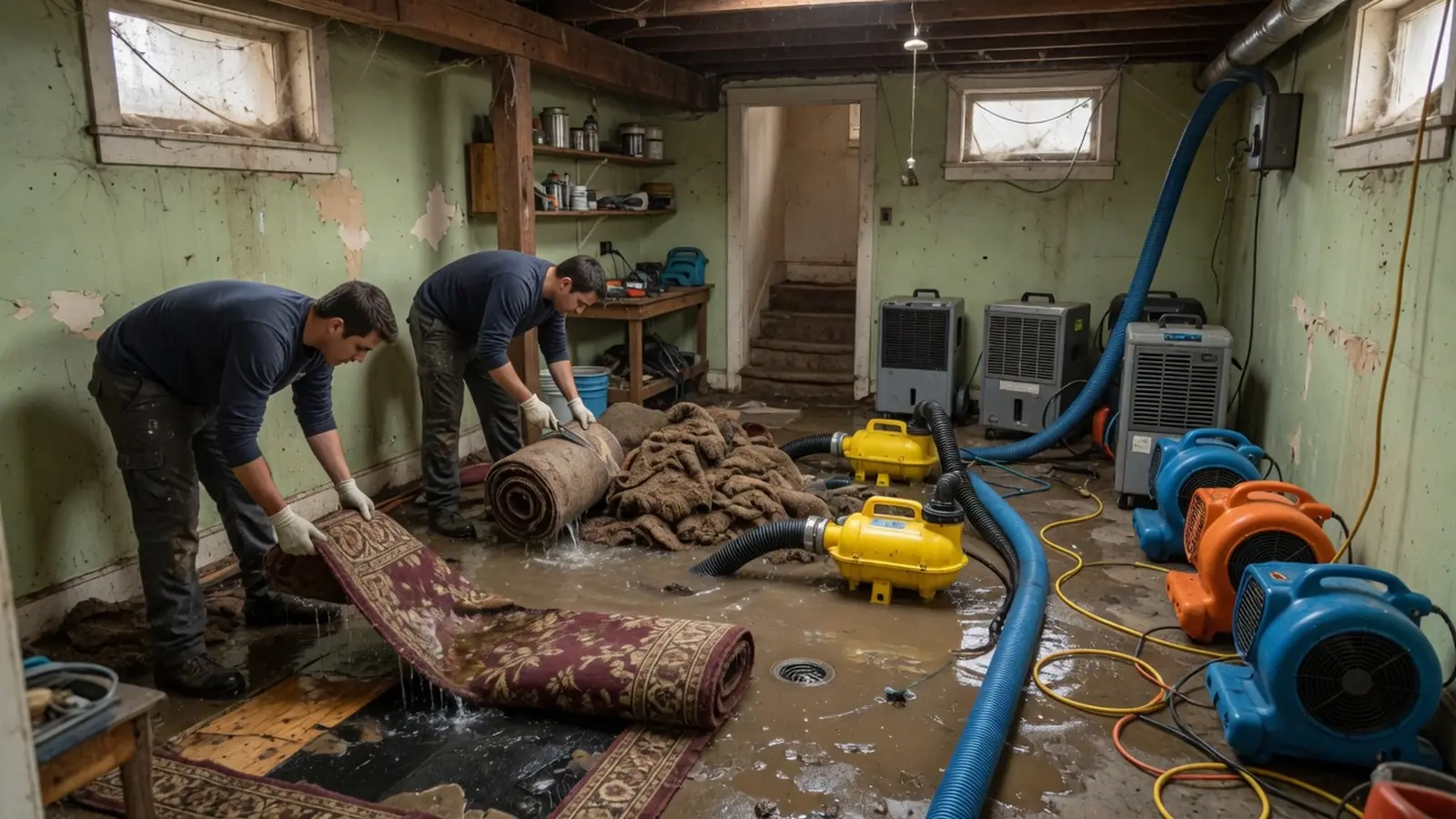
Torrential rain overwhelms yard drainage systems, leaving massive pools of floodwater directly against home foundation walls. Our emergency crews respond immediately with industrial submersibles to pump out standing water and safeguard structural framing. We extract contaminated moisture, sanitize damaged areas, and restore safety to your property.
Questions? (252) 555-0127.
Prefer to talk? (252) 555-0127
Proven Floodwater Extraction And Structural Drying
Across the local low-lying Coastal Plain terrain, slow-moving tropical systems saturate the water table and cause overland runoff that overwhelms perimeter foundation drains.
Sandy soils make up roughly 78% of the top mapped acreage across our region (including Exum fine sandy loam, 0 to 1 percent slopes, Coxville fine sandy loam), which drains quickly and shifts the local problem from heave toward water movement and erosion.
The median owner-occupied home locally was built in 1995 (Census ACS 5-year), featuring construction assemblies that require specialized drying chambers when soaked.
With 43,368 housing units on record in the Census ACS 5-year estimates, we focus on dispatching rapid emergency water damage restoration crews to halt moisture spread immediately.
As homeowners often describe following river surges, rising water during severe storms causes permanent structural decay, persistent odors, and rapid mold growth if 24/7 extraction is delayed.
Our technicians arrive with calibrated moisture meters and heavy-duty extraction equipment to pull pooled water from floor cavities and wall studs.
Our Floodwater Extraction And Remediation Process
A pattern echoed in public discussions is that severe hurricane flooding leaves standing water that triggers secondary mold infestations, demanding rapid simultaneous water extraction and deploying professional mold remediation protocols.
- High-Volume Water Extraction. Severe exterior pooling requires rapid mechanical pumping to remove water before it breaches the crawl space or causes foundation settling. Our field technicians immediately position submersible trash pumps and truck-mounted extractors for removing standing crawl space water and yard pooling.
- Pathogen Containment And Demolition. Riverine or overland floodwaters carry Category 3 pathogens, requiring non-salvageable porous materials like carpet pad and drywall below the water line to be removed rather than dried in place. Technicians make precision flood cuts and seal contaminated debris in heavy gauge plastic for safe disposal.
- Antimicrobial Washdown And Disinfection. All salvageable framing, masonry, and subflooring undergo detailed cleaning and application of EPA-registered antimicrobials. This treatment halts microbial propagation and neutralizes persistent damp odors at the cellular level.
- Industrial Dehumidification And Monitoring. We deploy commercial LGR dehumidifiers and high-velocity air movers to establish a balanced drying environment. Daily psychrometric logging verifies that structural timbers reach safe moisture standards before finishing repairs begin.
Certified Restorative Workmanship
A primary sump pump failure during heavy downpours results in catastrophic basement flooding that saturates finished drywall and subflooring. Our certified technicians follow strict IICRC protocols to extract standing moisture and safeguard framing integrity. We provide clear, itemized digital documentation and thermal imaging records so every phase of structural restoration is verified and transparent.
Emergency Flood Pumping
Rapid mechanical extraction using high-volume submersible pumps and truck-mounted units to eliminate deep standing storm water. We redirect exterior pooling away from home footings to prevent moisture intrusion.
Category 3 Blackwater Cleanup
Controlled removal and containment of biohazard-laden porous materials compromised by overland river surges or contaminated runoff. Our crews sanitize all remaining structural framing with hospital-grade biocides.
Structural Drying And Moisture Tracking
Deep moisture extraction from saturated framing, sill plates, and subfloor assemblies using targeted heat and LGR dehumidification. Continuous psychrometric monitoring confirms complete structural drying.
Dedicated Storm Restoration Standards
Our field teams utilize commercial grade drying systems and diagnostic moisture sensors to restore properties affected by flash floods and tropical weather.
- 12Zip Codes Served
- 8Service Areas
- 3Services Offered
Recent feedback from local property owners whose homes were safely pumped, sanitized, and dried after severe storm flooding.
“When flash flooding swamped our lower living area, the crew provided a transparent estimate detailing extraction and demolition before turning on a single machine. The final bill matched their initial breakdown down to the exact dollar with zero surprise change-orders. Having that financial certainty during such a stressful event made all the difference.”
Marcus T.
“Every evening after removing soaked baseboards and running their dehumidifiers, the technicians swept the work zones and sealed off the hallways with plastic sheeting. They organized all their power cords neatly and hauled trash to their truck rather than leaving debris on our lawn. Coming home each night to an organized, clean workspace gave us immense peace of mind.”
Hannah B.
“I received timestamped photos and moisture meter log sheets via text message every morning before I even had to ask for an update. The project lead called me each afternoon to explain the daily structural drying readings and what tasks were scheduled next. Their proactive communication kept me completely informed throughout the entire restoration process.”
David K.
“Instead of pushing for full wall replacements throughout the entire basement, the team clearly explained how a precise flood cut below the water line would salvage the upper drywall and save thousands. They recommended a mold-resistant insulation for the rebuild that dramatically improves moisture durability against future storms. Their practical advice saved us substantial expense while ensuring our home was properly protected.”
Elena R.
Frequently Asked Questions
How quickly must floodwater be extracted from a home?
Floodwater should be mechanically extracted within twenty-four to forty-eight hours to stop structural decay, microbial growth, and permanent damage. Delaying extraction past this critical window allows porous building assemblies to absorb pathogens, resulting in secondary mold and structural rot.
What is the typical timeline for drying a flooded structure?
Complete structural drying typically requires three to five days using industrial dehumidifiers, high-velocity air movers, and targeted heating. Technicians monitor psychrometric conditions daily until framing timber and concrete reach safe baseline moisture equilibrium.
Why does river or storm floodwater require drywall removal?
Overland floodwater carries hazardous Category 3 pathogens, requiring porous materials like soaked drywall and carpet pads to be stripped out. Contaminated moisture cannot be safely disinfected while trapped inside permeable sheetrock, making flood cuts necessary for hygiene.
Will insurance policies cover emergency flood cleanup costs?
Standard homeowners insurance excludes overland flood damage, which requires a separate policy through the NFIP or private flood carriers. Restoration specialists furnish direct digital drying records and line-item estimates to expedite claims with adjusters.
Can foundation settling occur if pooled floodwater is not removed?
Excessive exterior pooling creates hydraulic pressure and subsoil erosion that can destabilize footings and trigger severe foundation settling. Rapid mechanical pumping mitigates hydrostatic load against perimeter foundation walls before permanent structural displacement occurs.